
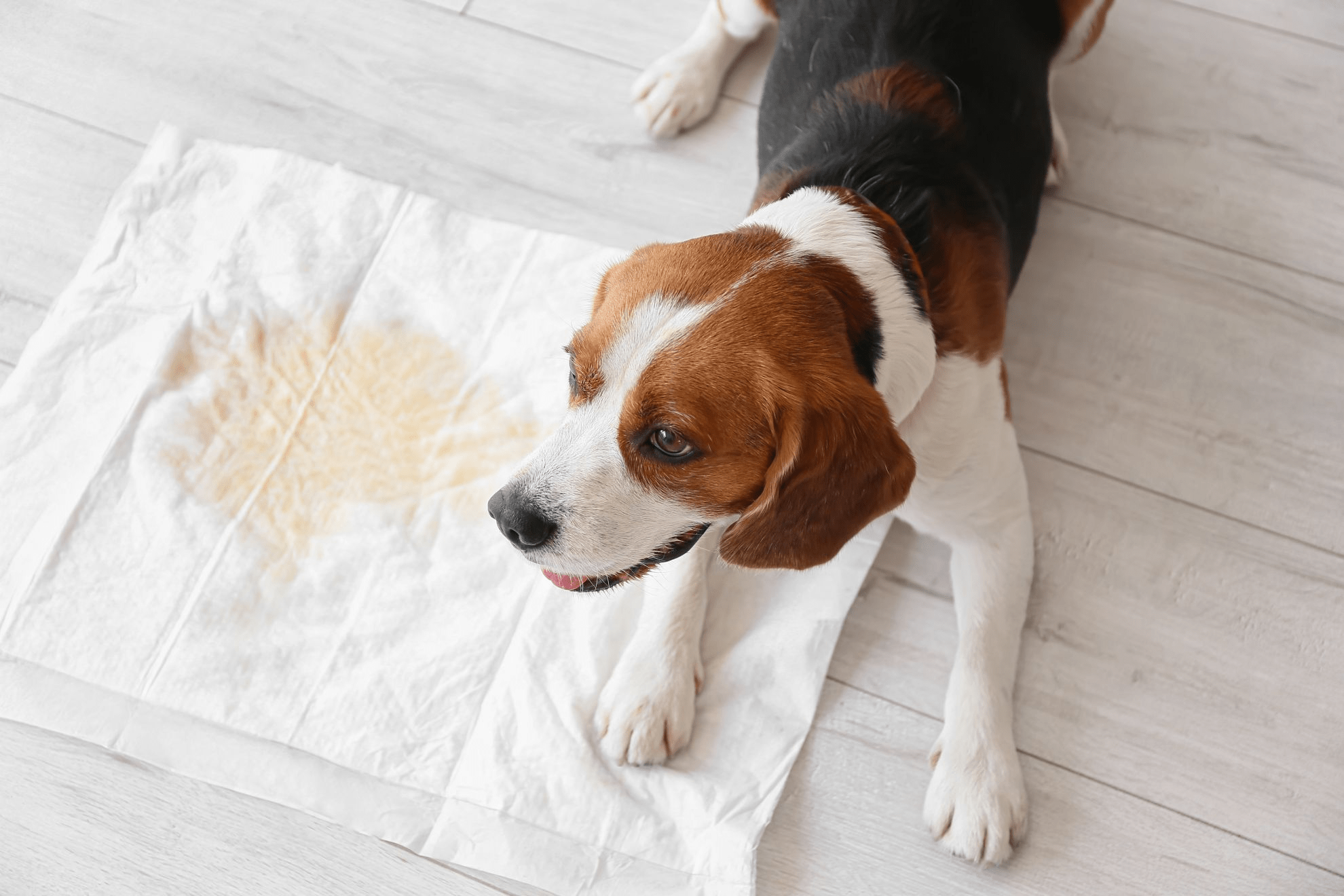
Whether it’s a newborn puppy or an adopted adult dog, toilet training is always the most troublesome and urgent training task, because they don’t know “where is the toilet” and it requires training. To prevent your dog from urinating or defecating anywhere in the house later, you need to start by understanding the underlying reasons and gradually implement toilet training, teaching your dog to go to the toilet in the right place!
Table of contents:
- 1. Three common reasons why dogs urinate inappropriately, and how to improve the situation? Expert advice.
- II. Five steps to potty training your dog, helping your furry friend develop a regular urination and defecation habit.
- 3. Why do I keep failing to potty train my dog? What should I do to correct this behavior?
1. Three common reasons why dogs urinate inappropriately, and how to improve the situation? Expert advice.
While dogs are unlikely to urinate or defecate where they eat or sleep, if they are urinating or defecating indiscriminately indoors, it could be due to the following three common reasons:
(a) Dogs exhibit urinary incontinence due to external emotional stimuli.When dogs hear loud fireworks or thunder, more sensitive dogs may urinate indiscriminately due to fright. Indiscriminate urination may also occur when guests (animals or humans) visit, causing fear of unfamiliar people or animals, or due to over-excitement while playing with visitors. This indiscriminate urination is usually temporary and not a long-term problem.
(II) Dogs marking territory by urinating:
Young, unneutered dogs are prone to marking their territory by urinating, especially male dogs. Any change in the home can cause dogs to mark their territory by urinating, such as the arrival of a new pet, baby, or piece of furniture. You can observe which areas your dog frequently marks; if one of these areas is acceptable to you, place several diaper pads in those areas to help your dog become familiar with using them.
(III) Disease-related issues
: If your
dog is older , it may urinate in the home due to arthritis, cognitive or neurological disorders, or
urinary problems . Arthritis causes dogs pain when they stand up, making it difficult for them to quickly go to the right place to relieve themselves, causing them to urinate directly in place.
Veterinarian Wu Anni reminds you:
Dogs with cognitive impairment are prone to confusion and anxiety, which can lead to inappropriate urination. Urinary tract infections or bladder stones can also cause changes in urethral pressure or abnormal bladder nerve control, resulting in inappropriate urination
.
II. Five steps to potty training your dog, helping your furry friend develop a regular urination and defecation habit.
Veterinarian Wu Anni suggests following these five steps to
train your dog to develop proper toilet habits:
Step 1: Establish a fixed potty area.
If you have the time and space, it’s best to let your dog potty train outdoors. However, if you live in an apartment or it’s inconvenient to go out frequently, you can establish a fixed spot indoors with absorbent pee pads to help your dog become familiar with it.
Step 2: Observe specific behaviors before urination or defecation
, also known as ”
potty signals .” Each dog has its own set of potty signals or body language, such as sniffing the ground, circling repeatedly in place, scratching at the door, hunching over, or starting to squat, indicating that it needs to urinate or defecate. If you can understand these potty signals, you can predict when they need to go outside. It is recommended to immediately put a collar on your dog as soon as you see these signals, take it to the appropriate potty area, and reward it appropriately.
Step 3: Observe when your dog urinates or defecates.
Dogs usually want to relieve themselves right after waking up, after eating, or after playing. Dog owners can combine the previously mentioned toilet cues with careful observation of when their dog urinates or defecates, and consistently take it to the designated toilet area.
Step 4: Use consistent commands to teach your dog to use the toilet.
Although dogs are intelligent and may understand many words, when teaching them to use the toilet, pay close attention to your body language, gestures, tone of voice, and the content of your speech. Ensure each signal is consistent to avoid confusing the dog. First, call the dog’s name to get its attention, then use a consistent command such as “go to the toilet” to guide the dog to the toilet, pointing to its location.
Step 5: Immediately praise and pet its head after urination or defecation
. Whatever a dog does, it reinforces the behavior when rewarded. Therefore, when your dog urinates or defecates in the correct place, immediately praise it and pet its head as a reward. This reinforcement of good toilet behavior is very helpful in helping your dog use the toilet in the correct location.
3. Why do I keep failing to potty train my dog? What should I do to correct this behavior?
If you’re constantly struggling with potty training and your dog frequently makes a mess, be patient and try the following methods, which might offer a glimmer of hope:(1) Simple prohibition commands.It’s normal for dogs to urinate or defecate in the wrong place during training; they’re not trying to be naughty or retaliate. If a dog is punished simply for a mistake, it will feel frightened and confused, and next time it might hide to urinate or defecate secretly, or even eat its own excrement to cover up its mistake. Furthermore, punishment can damage the emotional bond between you and your dog.
Veterinarian Wu Anni’s tip:
Don’t scold or yell at your dog for potty training mistakes. Instead, use a gentle but firm tone to say “NO” or “Stop,” and immediately take it to the correct spot and remind it again.
(II) Establishing a Fixed Toilet ScheduleFollowing the previous method, after gently but firmly prohibiting your dog from urinating or defecating anywhere else, immediately guide it to the correct place (indoors or outdoors). It’s best to establish a fixed schedule for your dog, such as a routine for eating, playing, walking, and napping. Puppies usually need to go to the toilet immediately after eating or waking up. Such a fixed schedule will also stimulate the urge to go to the toilet, and the owner can more accurately predict when the puppy needs to go outside to relieve itself.
Veterinarian Wu Anni’s tip:
Every dog is unique, and their potty training times vary. Establishing a consistent potty training time requires long-term observation and training.
(III) Thoroughly Eliminate OdorsImmediately and thoroughly clean the incorrect toilet area and remove all odors and traces of excrement. It is recommended to use a cleaner specifically designed to eliminate the odors of pet urine, feces, and even vomit, and strictly follow the instructions on the packaging.Since urination and defecation are natural behaviors, even if a mistake occurs, it’s not the end of the world. Just take some time to review your toilet training techniques and steps, and you can continue from where you left off. Immediately give verbal praise after a correct toilet session; there’s no need to constantly give treats. If your dog is used to urinating and defecating outdoors but you want to switch back to indoor toileting due to owner reasons, it’s recommended to first use a fence and pee pads. When initially setting up the fence, separate the resting, eating, playing, and toilet areas.
To successfully potty train a dog, you also need a lot of patience.
Potty training a dog isn’t difficult; the key is patience over time. Carefully observe its potty cues, guide it to the correct spot, and immediately offer verbal praise when it successfully goes to the toilet. Even if it makes a mistake, don’t scold it; simply correct it gently. Repeat these training steps until your dog can potty train in the correct place.If you want your dog to potty train in the right place and never have to worry about it relieving itself anywhere again, maintaining a consistent daily routine, a fixed potty area, and consistent commands and gestures is the key to successful potty training!